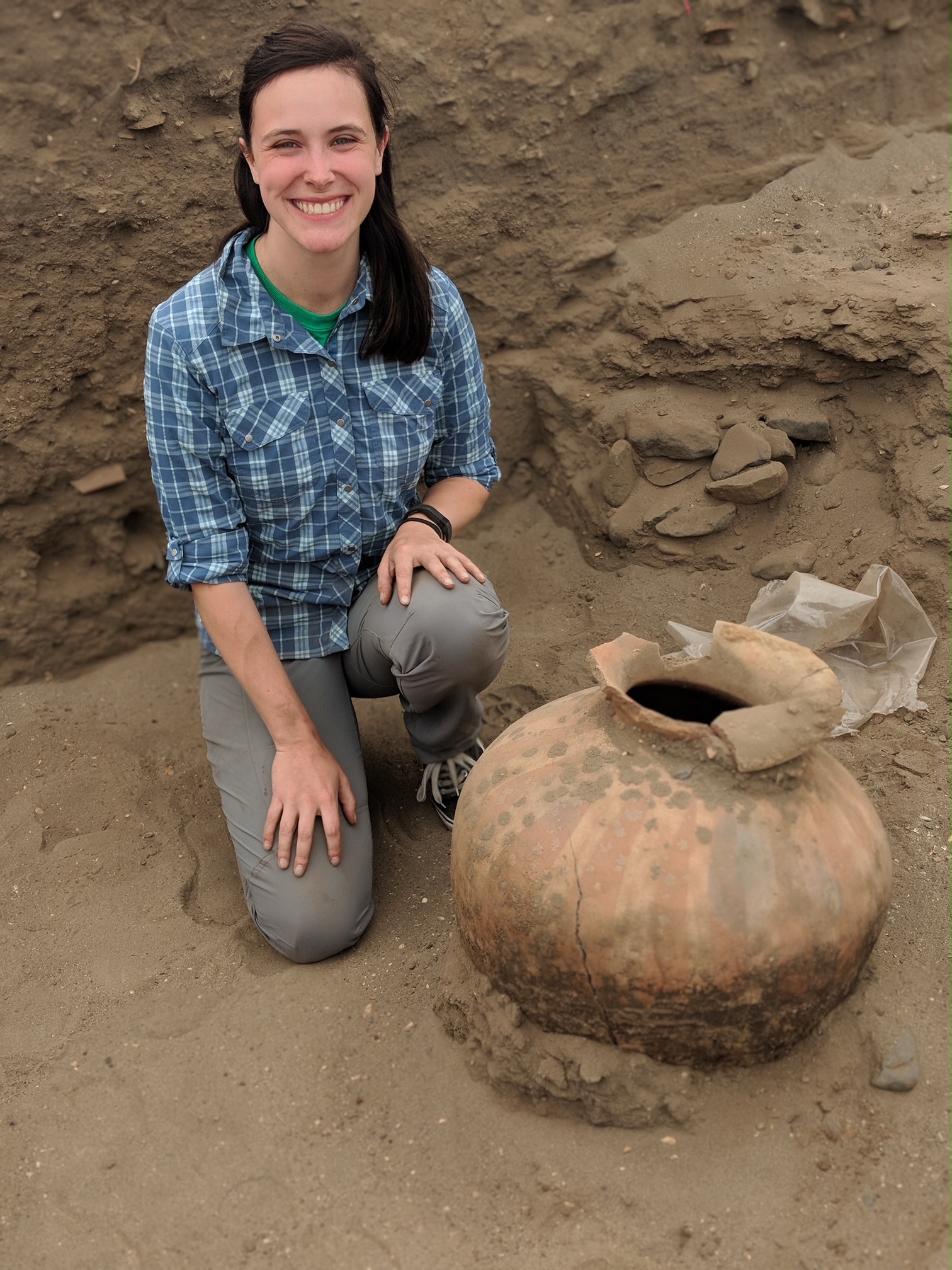
About Me
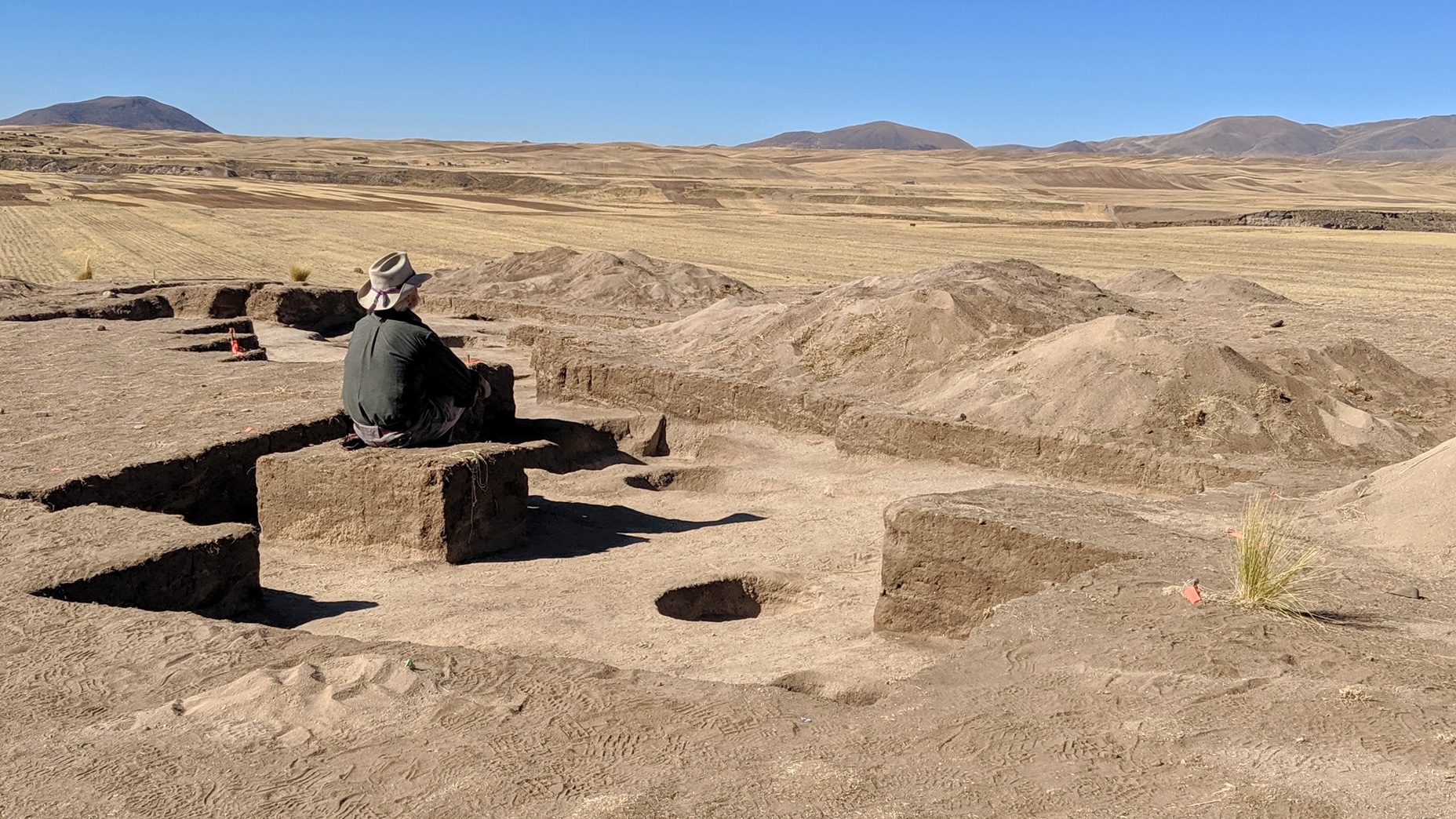
Education
- Ph.D. Anthropology, University of California, Santa Barbara
- M.A. Applied Anthropology, University of Maryland
- B.A. Anthropology, Mercyhurst University
Research Interests
I study human-environment interactions with a focus on subsistence strategies, animal domestication, and risk mitigation in the face of environmental and social change. My research explores how ancient
societies adapted to shifting ecologies, developed food systems, and maintained cooperation and resilience in times of stress.
Methods Expertise
I apply stable isotope analysis, ancient DNA (aDNA), zooarchaeology, and radiocarbon dating to
reconstruct past diets, mobility patterns, and human-animal relationships. I also use statistical and computational tools, including
R and MATLAB, for quantitative analysis, data visualization,
and ecological modeling.
Regional Expertise
My research centers on the Central Andes and the North American Midwest,
particularly Mississippian mound sites.
Research Overview
[1] The Domestication of Camelids in the Lake Titicaca Basin, Peru
[2] Subsistence Strategies in Mississippian Societies
[3] Climate Change, Food Insecurity, and Violence in the Andean Highlands
[4] Comparative Osteometry
[5] Foodways in Historic California
Peer-Reviewed Publications
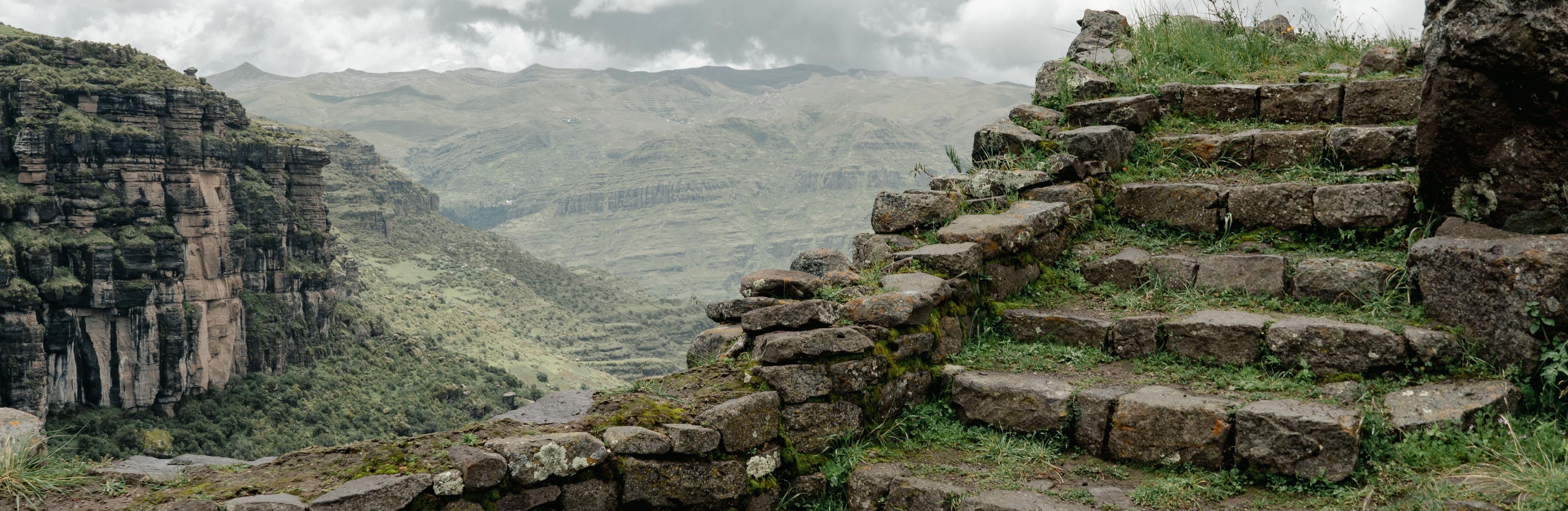
*cover art
-
Noe, Sarah J., Haas R., and Aldenderfer M. (2025).
Hunting to herding on the Andean Altiplano: Zooarchaeological insights into Archaic Period subsistence in the Lake Titicaca Basin, Peru (9.0–3.5 ka).
Journal of Anthropological Archaeology
Link
-
Noe, Sarah J., VanDerwarker A.M, Wilson G., Kuehn S., and Haas H. (2024).
An Examination of Shifting Foodways during the Twelfth and Thirteenth Centuries in the Central Illinois River Valley.
Southeastern Archaeology.
Link
-
Noe, Sarah J., McCool W.C., Wilson, K.M. (2024).
Cross-Regional Examination of Camelid Herding Practices in Peru from 600 BCE to 1450 CE: Insights from Stable Isotopes in Camelid Bone Collagen and Fiber.
PLoS ONE, 19(10), e0306205
Link
-
Byers, David A., Welker, M.H., Semanko, A., Itie, D., Noe, S.J., Vasquez, J., Holland-Lulewicz, I. and McClure, S.B. (2024).
Cranial variability in North American domestic and wild canids.
Journal of Archaeological Science: Reports, 57, 104590
Link
-
Noe, Sarah J., Wilson G., VanDerwarker A., George R.J., Kennett D.J. (2023).
Deer, Drought, and Warfare: Managing Risk in the Central Illinois River Valley (CIRV) from the Eleventh through Fourteenth century.
Quaternary International, 689, 106–119
Link
-
*Noe, Sarah J. (2023).
Indigenous Foodways as Persistence in the Alta California Mission System.
American Antiquity, 88(4), 451–475
Link
-
*Noe, Sarah J. (2023).
Subsistence and Persistence: Indigenous Foodways within Mission Santa Clara de Asìs.
California Archaeology, 15(1), 69–107
Link
-
Hixon, S.W., Domic, A.I., Douglass, K.G., Roberts, P., Eccles, L., Buckley, M., Ivory, S., Noe, S.J., and Kennett, D.J. (2022).
Cutmarked bone of drought-tolerant extinct megafauna deposited with traces of fire, human foraging, and introduced animals in SW Madagascar.
Scientific Reports, 12(1), 18504
Link
-
Noe, Sarah J. (2021).
Zooarchaeology of Mission Santa Clara de Asís: bone fragmentation, stew production, and commensality.
International Journal of Historical Archaeology, 26(4), 1–43
Link
-
Haas R., Watson J., Buonasera T., Southon J., Chen J.C., Noe S.J., Smith K., Llave C.V., Eerkens J., and Parker G. (2020).
Female hunters of the early Americas.
Science Advances, 6(45), eabd0310
Link
-
Haas R., Buonasera T., Chen J., Eerkens J., Noe S.J., Parker G., Smith, K., Viviano C., and Watson J. (2020).
Behavioral adaptations to life in the interior high Andes, 9–7 ka.
American Journal of Physical Anthropology, 171(S70), 110
In Review Publications
-
Noe, Sarah J., Kracht E.C., Deagan B., and McCool W.M. (Accepted).
Assessing Starvation Signatures and Violence Through Nitrogen Isotopes in the LIP Nazca Highlands.
American Journal of Biological Anthropology
-
Noe, Sarah J., VanDerwarker A.M, Wilson G., Bennaton S., and Vargas N (Accepted).
Specialized white-tailed deer (Odocoileus virginianus) use at the early Mississippian Fandel site (11WD4) in the Central Illinois River Valley.
American Antiquity
Research
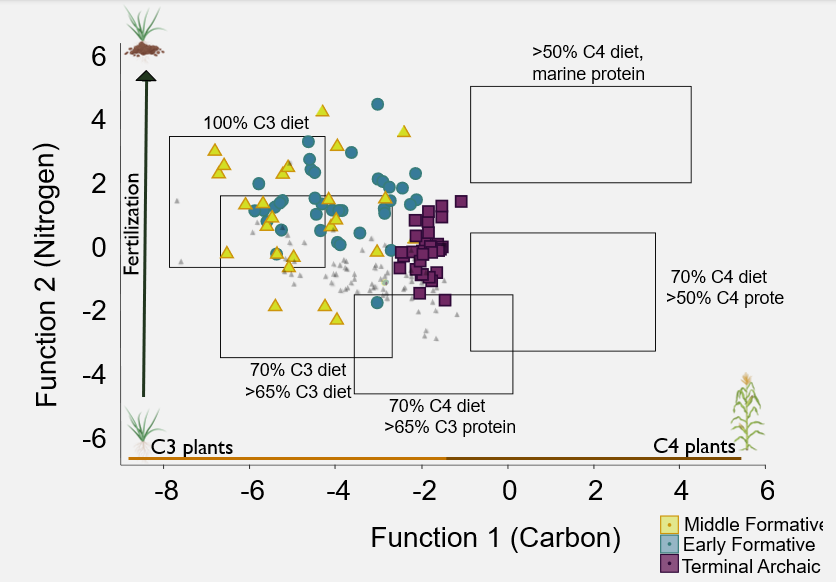
Camelid Domestication and Early Management in the Lake Titicaca Basin
This project investigates the transition from hunting to early management of camelids during the Archaic Period in the Lake Titicaca Basin using faunal analysis, stable isotope data, ancient mitochondrial DNA, and radiocarbon dating. Located in the high-altitude Altiplano of southern Peru, this region experienced significant ecological shifts during the Holocene, including Archaic-period lake regression and increasing aridity, which likely influenced subsistence strategies.
Stable isotope analysis of bone collagen reveals a gradual shift in camelid dietary and mobility patterns over time, consistent with low-level management practices prior to full domestication. These data indicate that humans began exerting control over camelid foraging behavior well before clear archaeological evidence of herding.
Ancient DNA analysis of camelid remains dating as early as the mid-Holocene shows high genetic diversity relative to modern populations, providing some of the oldest genetic data for South American camelids. This genetic diversity suggests that a domestication bottleneck had not yet occurred and supports the interpretation of incipient management rather than intensive breeding.
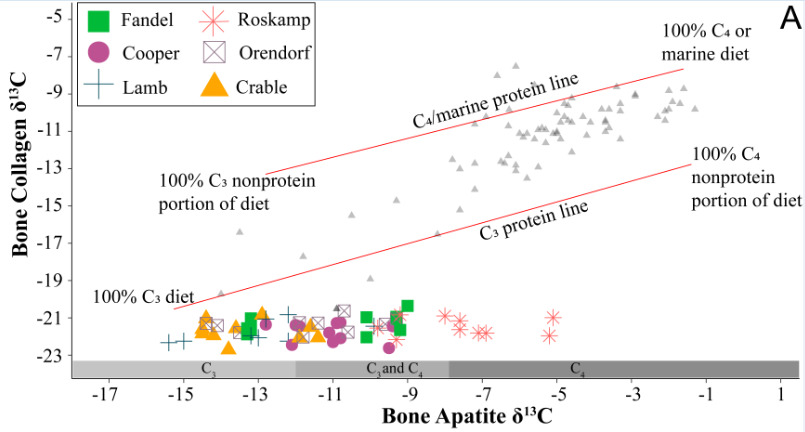
Risk, Climate, and Subsistence: Comparative Faunal Analysis of Mississippian Societies
This project investigates how Mississippian communities in the American Bottom and Central Illinois River Valley (CIRV) adapted their subsistence strategies in response to climate fluctuations, population growth, and sociopolitical instability between the 11th and 14th centuries CE. Faunal assemblages from Cahokia—North America’s largest pre-Columbian urban center—and outlying CIRV settlements are analyzed to assess how local ecological risk, social organization, and conflict shaped animal exploitation patterns.
The study focuses on the impacts of the Medieval Climatic Anomaly (MCA), a period of regional warming and aridity, on maize agricultural productivity and dietary diversification. At Cahokia, evidence suggests increased reliance on high-risk, high-return hunting strategies, consistent with centralized redistribution systems supporting a dense urban population. In contrast, CIRV communities exhibit broader-spectrum foraging and risk-buffering behaviors, likely reflecting decentralized food production and concerns over raiding and intergroup violence.
By comparing taxonomic diversity, age profiles, and skeletal part representation, the research identifies divergent risk management strategies linked to settlement hierarchy and demographic pressure. These findings contribute to broader models of resilience and collapse in prehistoric complex societies.
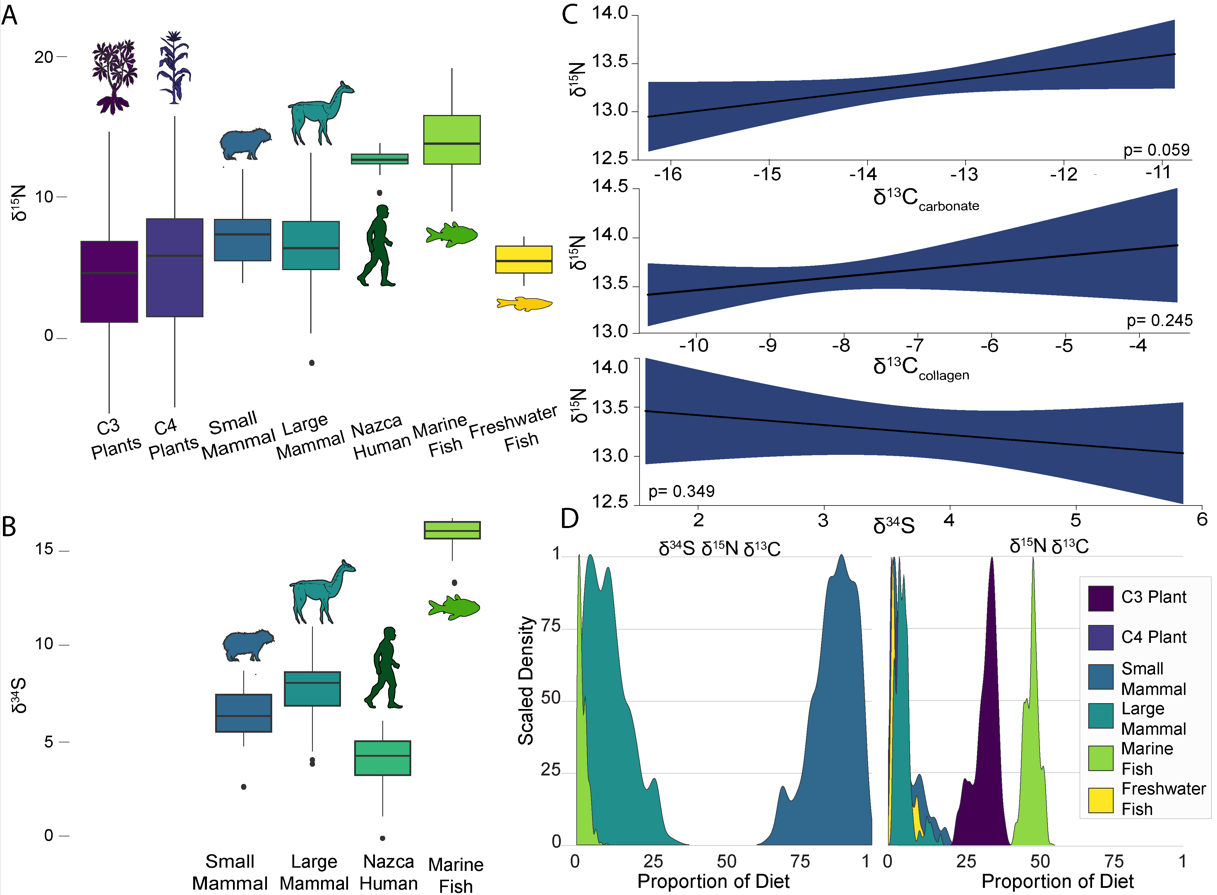
Climate Change, Food Insecurity, and Violence in the Andean Highlands
This research investigates how climate change influenced food systems, subsistence stress, and patterns of conflict in the prehispanic Andes. Drawing on paleoclimate data, isotopic evidence, and regional archaeological surveys, we examine how shifting ecological conditions shaped both environmental risk and human behavioral responses across time.
In particular, the Late Intermediate Period (AD 1000–1450) presents a case of widespread climate instability, including declining rainfall, shrinking lakes, and cooler temperatures. These changes disrupted agricultural productivity and pastoral systems, contributing to food insecurity and population shifts. Stable isotope analysis of human remains reveals elevated δ¹⁵N values consistent with chronic undernourishment, while site abandonment and defensive architecture suggest rising regional tensions.
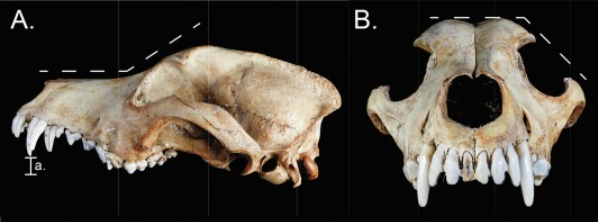
Comparative Osteometry for Species Identification
This project collects standardized osteometric data from modern comparative specimens of dogs, rabbits, and cattle to enhance zooarchaeological research across the Americas. Dog measurements refine criteria for distinguishing domesticated dogs from wild canids such as wolves and coyotes, improving interpretations of early human–canid relationships. Rabbit skeletal data support the development of an improved leporid metapodial index, facilitating taxonomic differentiation and analysis of processing intensity.
Cattle measurements contribute to the study of livestock introduced during the
Spanish colonial period, enabling assessments of breed origins, morphological variation,
and management strategies in early colonial assemblages. Together, these datasets provide essential morphometric
baselines for identifying species, understanding domestication, and reconstructing human–animal interactions across time and space.
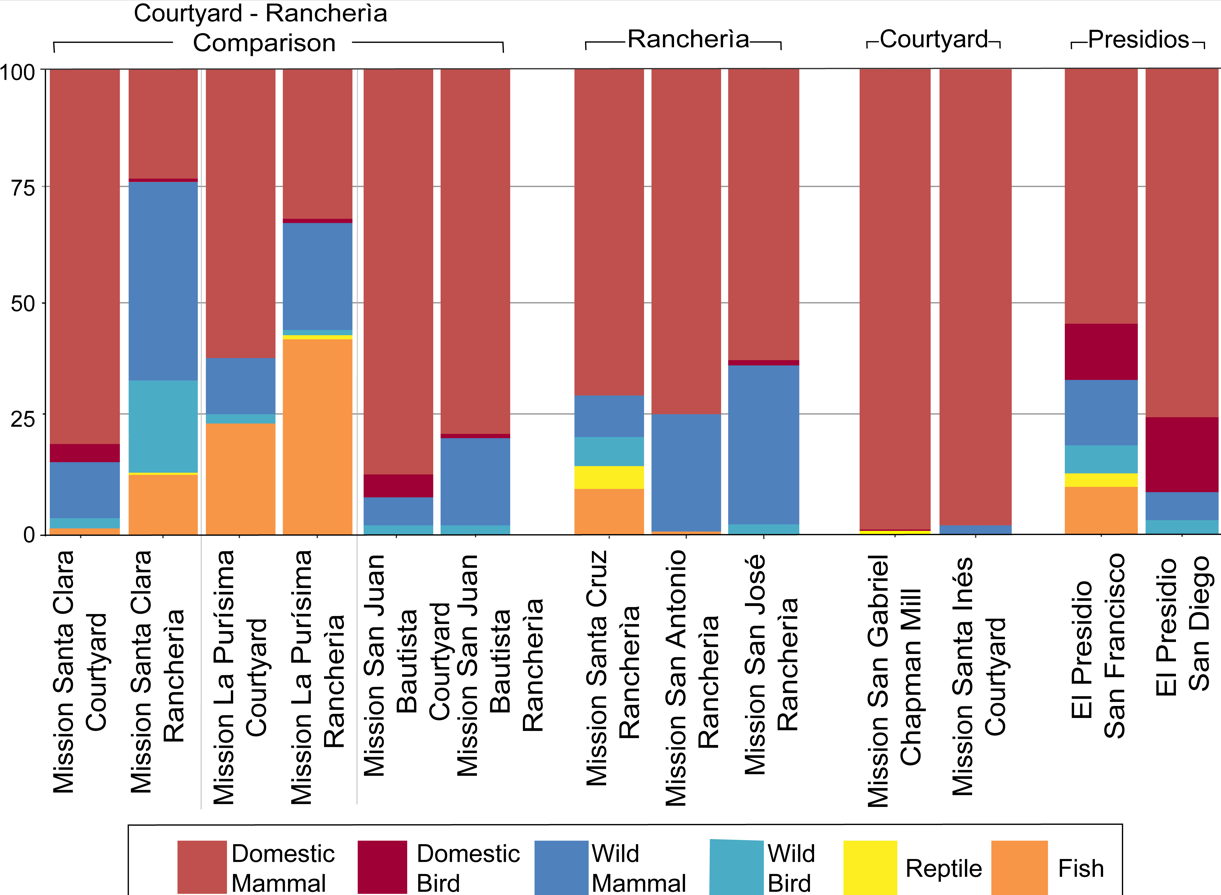
Historic Foodways in California
This study applies zooarchaeological methods to analyze faunal remains recovered from refuse deposits at Mission Santa Clara (1777–1836), a key site in the Spanish colonial network of Alta California. The research investigates food procurement, preparation, and consumption strategies with a focus on butchery and bone fragmentation patterns. High frequencies of long bone shaft fragmentation, spiral fractures, and extensive grease-rendering indicators point to intensive secondary processing practices such as marrow and grease extraction—techniques associated with both nutritional optimization and traditional culinary knowledge.
Taxonomic abundance data indicate a provisioning system centered on domesticated cattle, while the absence of high-value skeletal portions and presence of low-utility elements suggest institutionalized distribution systems that prioritized meat allocation based on status or role. These data, combined with taphonomic indicators, provide insight into how colonial systems structured food access and how traditional food processing methods persisted within them. This analysis contributes to broader discussions of colonial provisioning, resource management, and food system adaptation in frontier mission settings.
Funding and Awards
Research Funding
- 2025 – UCSB Academic Senate Committee Research Grant – $20,000
- 2025 – NSF Doctoral Dissertation Research Improvement Grant – $31,128
- 2024 – Summer Research Block Grant – $2,500
- 2024 – Rust Family Fellowship – $8,855
- 2023 – Broom Center Research Block Grant – $2,500
- 2022 – UCSB Social Science Research Accelerator Award – $5,500
- 2022 – UCSB Summer Research Fellowship – $2,000
- 2022 – UC ARP Summer Fellowship – $7,000
- 2021 – Decolvenaere Research Accelerator Award – $500
- 2021 – UCSB Anthropology Department Summer Research Grant – $2,000
- 2019 – UC Summer Research Block Grant – $2,200
- 2019 – Charles J. Erasmus Fund – $600
- 2018 – UC Summer Research Block Grant – $2,000
- 2018 – Lewis & Clark Fund for Exploration & Field Research – $5,000
- 2017 – Phi Delta Gamma, UMD Chapter Award for Excellence – $1,500
- 2016 – UMD Chair’s Graduate Summer Research Fellowship – $2,500
- 2012 – Mercyhurst Archaeological Institute Undergraduate Research Grant – $800
Fellowships and Long-Term Funding
- 2019 – Critical Mission Fellowship – $38,000
- 2017 – NSF Graduate Research Fellowship – $138,000
- 2017 – UCSB Anthropology Teaching Assistantship – $169,000
- 2016 – UMD Environmental Science TAship – $33,000
- 2015 – UMD Anthropology TAship – $28,000
Awards
- 2024 – Jamie Chad Brandon Student Paper Competition (SHA) – $500
Travel Funding
- 2023 – Pacific Coast Archaeological Society Travel Grant – $500
- 2022 – GSA Conference Travel Grant – $800
- 2018 – GSA Conference Travel Grant – $500
- 2016 – UMD Anthropology Department Travel Grant – $500
- 2012 – Catherine McAuley Travel Scholarship, Mercyhurst University – $3,500
Teaching and Lectures
Instructor of Record
- University of California, Santa Barbara
- ANTH 3 Introduction to Archaeology (Summer 2025)
- ANTH 3 Introduction to Archaeology (Summer 2024)
- ANTH 3 Introduction to Archaeology (Summer 2023)
Teaching Assistant
- University of California, Santa Barbara
- ANTH 3 – Introduction to Archaeology
- ANTH 5 – Introductory Biological Anthropology
- ANTH 133 – Cultural Development of Mesoamerica
- ANTH 109 – Human Universals
- ANTH 131 – California Indians
- University of Maryland, College Park
- ENSP 101 – Introduction to Environmental Science
- ENSP 102 – Introduction to Environmental Policy
- ANTH 240 – Introduction to Archaeology
- ANTH 260 – Introduction to Socio-Cultural Anthropology and Linguistics
Workshop Instructor
- UCSB Workshop Graduate StudentsGrant Writing Fundamentals for Graduate Students
- UCSB 4th Annual Workshop Graduate Students:R Programming for Social Scientists
- UCSB 5th Annual Workshop Graduate StudentsIntro to Data Analysis and Visualization in Python for Social Scientists
Public Talks
- 2023 – Foodways and Persistence: Native American Diet at Mission Santa Clara (1777–1836), Santa Barbara Museum of Natural History
- 2021 – Zooarchaeological Insights into the Persistence of Native American Diet at Mission Santa Clara de Asís (1777–1836), Santa Barbara Museum of Natural History
- 2019 – Risk, Agriculture, and Climate Change: Sustainable Viking Foodways System, UC Santa Barbara Colloquium
- 2017 – Archaeology and Climate Change: Interdisciplinary Studies and Talking Across the Aisle, University of Maryland, College Park Library Series: Interdisciplinary Dialogues
- 2014 – You Are What You Eat: What Archaeology Adds to Understanding Foodways, expERIEnce Children’s Museum, Erie, PA
Invited Academic Lectures
- Dickinson College
- 2022 – Foodways and Persistence, Environmental Archaeology (undergraduate course)
- 2021 – Sustainable Foodways in the Face of Climate Change, Environmental Archaeology (undergraduate course)
- Northern Illinois University
- 2021 & 2022 – Introduction to Zooarchaeology, Exploring Archaeology (undergraduate course)
- University of California, Santa Barbara
- 2020 – Sustainable and Ancient Food Production in the Andes, Introduction to Archaeology
- 2018 – Food and Social Identity, Introduction to Archaeology
- University of Maryland, College Park
- 2017 – Climate Change and the Longue Durée, Environmental Science
- 2016 – Food and the Legacy of Colonialism, Introduction to Environmental Policy
Elements
Text
This is bold and this is strong. This is italic and this is emphasized.
This is superscript text and this is subscript text.
This is underlined and this is code: for (;;) { ... }. Finally, this is a link.
Heading Level 2
Heading Level 3
Heading Level 4
Heading Level 5
Heading Level 6
Blockquote
Fringilla nisl. Donec accumsan interdum nisi, quis tincidunt felis sagittis eget tempus euismod. Vestibulum ante ipsum primis in faucibus vestibulum. Blandit adipiscing eu felis iaculis volutpat ac adipiscing accumsan faucibus. Vestibulum ante ipsum primis in faucibus lorem ipsum dolor sit amet nullam adipiscing eu felis.
Preformatted
i = 0;

while (!deck.isInOrder()) {
    print 'Iteration ' + i;
    deck.shuffle();
    i++;
}

print 'It took ' + i + ' iterations to sort the deck.';
Lists
Unordered
- Dolor pulvinar etiam.
- Sagittis adipiscing.
- Felis enim feugiat.
Alternate
- Dolor pulvinar etiam.
- Sagittis adipiscing.
- Felis enim feugiat.
Ordered
- Dolor pulvinar etiam.
- Etiam vel felis viverra.
- Felis enim feugiat.
- Dolor pulvinar etiam.
- Etiam vel felis lorem.
- Felis enim et feugiat.
Icons
Actions
Table
Default
| Name |
Description |
Price |
| Item One |
Ante turpis integer aliquet porttitor. |
29.99 |
| Item Two |
Vis ac commodo adipiscing arcu aliquet. |
19.99 |
| Item Three |
Morbi faucibus arcu accumsan lorem. |
29.99 |
| Item Four |
Vitae integer tempus condimentum. |
19.99 |
| Item Five |
Ante turpis integer aliquet porttitor. |
29.99 |
|
100.00 |
Alternate
| Name |
Description |
Price |
| Item One |
Ante turpis integer aliquet porttitor. |
29.99 |
| Item Two |
Vis ac commodo adipiscing arcu aliquet. |
19.99 |
| Item Three |
Morbi faucibus arcu accumsan lorem. |
29.99 |
| Item Four |
Vitae integer tempus condimentum. |
19.99 |
| Item Five |
Ante turpis integer aliquet porttitor. |
29.99 |
|
100.00 |